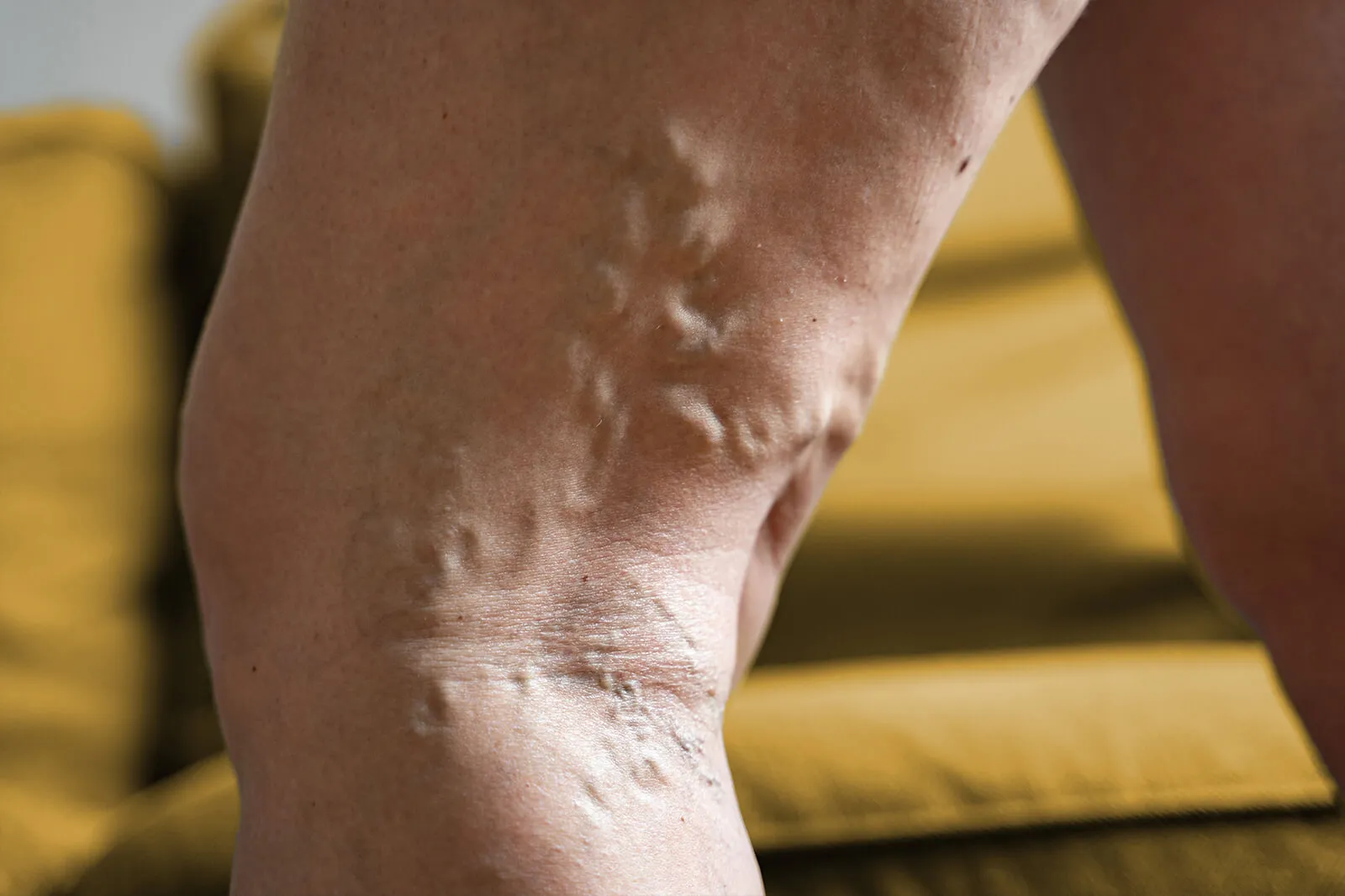
The short answer is yes, varicose veins and chronic venous insufficiency (hereditary) often run in families, and the risk is passed down through many genes, not just one.
Today, a detailed family history is one of the best predictors of varicose veins. Factors like pregnancy, weight, and long hours on your feet can determine whether inherited risk turns into vein disease.

Do Varicose Veins Run in Families?
Yes. Family clustering in venous disease is real, and it goes beyond a shared lifestyle and daily habits. The risk is polygenic, meaning multiple inherited genes affect your vein health.
In fact, in a landmark study by Cornu-Thénard et al., researchers identified a clear familial pattern:
- If both parents are affected, the likelihood of you developing varicose veins is about 90%.
- If one parent is affected, your risk is about 62% (for women) and 25% (for men).
- If neither parent is affected, your baseline risk drops to approximately 20%.
While biology gives women a higher baseline risk overall, men are also substantially affected, though they often go undiagnosed. Because men often dismiss early signs like dull aching or heaviness in the legs, they frequently delay care, seeking a specialist evaluation only when advanced complications like bleeding or skin sores develop.
Knowing your family history isn't a cause for panic, it's an opportunity to take control of your health. Dr. M. Ali Pervaiz, Vein Specialist at Metro Vein Centers’ Alpharetta, Georgia clinic, says it best. You should be "concerned enough to be evaluated early, but not concerned enough to be frightened." Early evaluations help you stay ahead of symptoms and protect your overall circulation long before major issues arise.

How Genes Affect Your Vein Walls and Valves
According to Dr. Pervaiz, common gene variants explain only about 5–8% of inherited risk so far, and most research comes from people of European ancestry.
Inherited vein disease often begins with subtle differences in the vessel walls. There are also genetic differences in how the body balances collagen and elastin that can make the vein wall stretch more easily under pressure.
On top of that, variations in enzyme activity, specifically matrix metalloproteinases (MMPs), which are enzymes responsible for breaking down proteins, can cause vein walls to gradually stretch and weaken under normal blood pressure.
Finally, mutations in the FOXC2 gene are also linked to venous disease. One example is lymphedema-distichiasis syndrome, which can also contribute to venous insufficiency.

Inherited Risk Isn’t Destiny
Having a family history of vein issues doesn't mean varicose veins are inevitable. Venous disease is considered a "threshold trait," meaning genes set the limit for how much strain your vein walls and valves can handle, while your daily life determines whether you cross that line.
A variety of everyday factors and life events can push your veins closer to their limit, including:
- Pregnancy: Increased blood volume and changing hormones during pregnancy temporarily increase pressure on leg veins.
- Body weight and height: Extra weight or a taller stature naturally increases gravitational pressure on lower-leg vessels.
- Long periods of standing or sitting: Staying in one position all day forces your veins to work much harder to pump blood back up to your heart.
- Age and medical history: Natural wear and tear over time, or a history of deep vein thrombosis (DVT), can alter blood flow.
But as Dr. Pervaiz reminds us, "Genotype is a loading of the dice, not a verdict."
You can actively protect your circulation by focusing on the everyday choices within your control. Staying physically active, maintaining a healthy weight, taking frequent movement breaks during long workdays, and wearing supportive compression socks can all help reduce stress on your veins.

Inherited Clotting Disorders and DVT Risk
Genetic traits can also increase your risk of developing blood clots, such as deep vein thrombosis (DVT), in the deep veins of your legs. It’s important to note that while these conditions raise clot risks, they do not directly cause surface-level varicose veins. Understanding your blood clot risk factors is especially important before major travel, surgery, or prolonged periods of immobility.
Common inherited clotting disorders include:
- Factor V Leiden Mutation: This is a prevalent genetic mutation that increases the risk of blood clots, including deep vein thrombosis (DVT). It makes the blood protein Factor V resistant to inactivation, leading to prolonged clotting.
- Prothrombin G20210A Mutation: This genetic variation, also called Factor II Mutation is associated with elevated levels of prothrombin, which also plays a key role in blood clotting. Higher prothrombin levels increase the risk of venous thromboembolism (VTE) which is a condition where blood clots form in the veins.
- Protein C and S Deficiencies: Proteins C and S are natural anticoagulants that help prevent excessive clotting. Genetic deficiencies in these proteins can increase the likelihood of clots forming.

Genetic Conditions That Affect the Veins
While everyday vein conditions like varicose veins stem from gradual wear or common genetic traits, certain inherited connective tissue and vascular syndromes directly impact how blood vessels develop and function.
Connective Tissue Disorders
Conditions that affect the body's connective tissues, such as hypermobile Ehlers-Danlos syndrome (hEDS) and similar conditions, can resemble and even intensify traditional vein disease. In many cases, vein symptoms are just one piece of a broader systemic puzzle.
Rare Vascular Malformation Syndromes
A small number of rare genetic syndromes specifically alter how blood vessels form during early development.
Klippel–Trénaunay Syndrome (KTS): A rare congenital vascular disorder involving a combination of port-wine stains, varicose veins, and soft tissue and bone overgrowth. Its genetic basis is complex and still being researched. KTS is now understood as being a part of the larger PIK3CA gene mutation spectrum.
Parkes Weber Syndrome: Similar to KTS but involving high-flow arteriovenous malformations (abnormal connections between arteries and veins), this syndrome is most commonly linked to inherited or spontaneous variants in the RASA1 gene.
Blue Rubber Bleb Nevus Syndrome: This rare disorder, marked by distinct venous malformations (or "blebs") on the skin and within the gastrointestinal tract, is linked to somatic variants in the TEK (TIE2) gene, which controls endothelial cell signaling during vessel growth.
Can Genetic Testing Predict Vein Disease?
While genetic testing plays a valuable role in specific medical situations, its ability to predict vein disease varies depending on the type of vein condition:
The International Society on Thrombosis and Haemostasis recommends considering testing for blood clotting traits if you've experienced an unprovoked blood clot at a young age, developed a clot in an unusual location, or have a strong family history of recurrent deep vein thrombosis (DVT).
Because varicose veins are polygenic, influenced by tiny contributions from dozens of different genes alongside your environment, no single gene variant is strong enough to act on or guide treatment choices today. When it comes to predicting typical varicose veins or forecasting whether they might return after treatment, Dr. Pervaiz describes genetic testing as "promising, but not ready for clinical use."
"In genetics, you’re trained that the history is the test," he notes.
What This Means for Your Vein Care
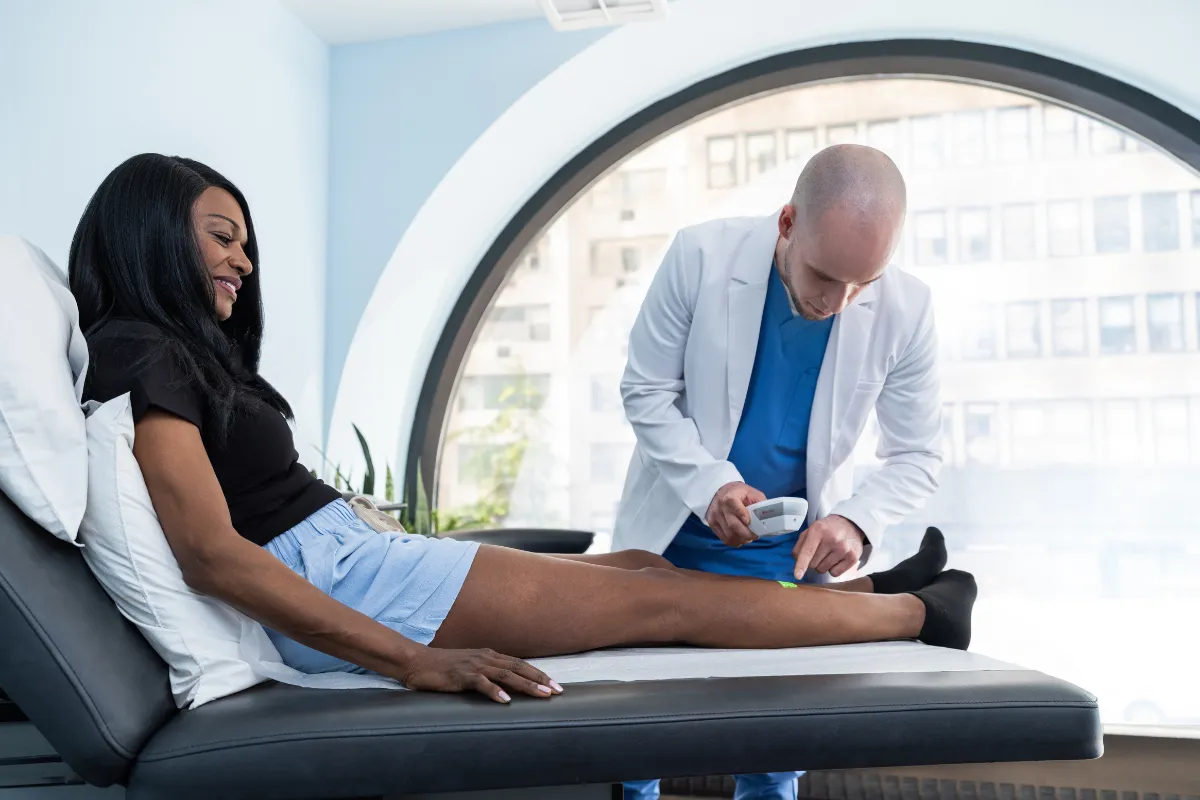
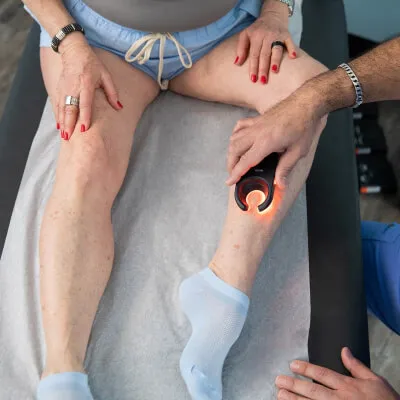
Your vein health provider can help you to understand any genetic factors that can contribute to venous disease. They will identify your risk factors, recommend genetic and diagnostic testing, such as duplex ultrasound to look at what’s happening under the surface of the skin, and will then develop a treatment plan tailored to your specific history.
For individuals with known genetic risks, proactive measures like lifestyle modifications, careful monitoring, and in some cases, minimally-invasive vein disease treatments if symptoms of vein disease develop can be helpful.
While still in its early stages, future research may explore the potential for gene therapy or other new vein treatments that target specific genetic factors.

Conclusion
Genetics plays a large role in the development of various venous diseases. As part of your vein health evaluation, your doctor will look at your entire health history, including any family history of vein disease or genetic factors, and make testing and treatment recommendations.
If you have a strong family history of venous disease or have concerns about your genetic risk, you can take a proactive step and schedule a free vein health evaluation with one of our board-certified vein doctors, who can discuss genetic testing and preventive measures with you.
Frequently Asked Questions
Your risk is much higher, but it isn’t certain. Get a vein evaluation early, especially if you notice symptoms. As Dr. Pervaiz puts it, be “concerned enough to be evaluated early, not concerned enough to be frightened.”
Yes. Genes set how much pressure your veins can tolerate, and factors like pregnancy, weight, and long hours on your feet decide whether you cross that threshold.
Not yet. Researchers have found gene variants linked to varicose veins, but none is strong enough to predict who will develop them. A detailed family history is still the better guide.
The Factor V Leiden mutation causes a change in the Factor V protein, causing the blood is more prone to forming clots, which can increase the risk of deep vein thrombosis.
Yes, individuals with a family history of venous thromboembolism can take preventive measures such as maintaining a healthy weight, staying active, avoiding long periods of immobility, staying well-hydrated, and discussing their risk with their doctor, who may recommend specific strategies like the use of anticoagulant medications for high-risk situations.
References
AHA Circulation: Cardiovascular Genetics, https://www.ahajournals.org/doi/10.1161/CIRCGENETICS.112.963439
Castel P, Carmona FJ, Grego-Bessa J, Berger MF, Viale A, Anderson KV, Bague S, Scaltriti M, Antonescu CR, Baselga E, Baselga J. Somatic PIK3CA mutations as a driver of sporadic venous malformations. Sci Transl Med. 2016 Mar 30;8(332):332ra42. doi: 10.1126/scitranslmed.aaf1164. PMID: 27030594; PMCID: PMC4962922.
Cornu-Thénard A, Boivin P, Baud JM, De Vincenzi I, Carpentier PH. Importance of the familial factor in varicose disease. J Dermatol Surg Oncol. 1994;20(5):318–326.
Padda IS, Zubair M, Citla Sridhar D. Protein C and S. [Updated 2025 Sep 14]. In: StatPearls [Internet]. Treasure Island (FL): StatPearls Publishing; 2025 Jan-. Available from: https://www.ncbi.nlm.nih.gov/books/NBK557814/
Serra R, Buffone G, de Franciscis A, Mastrangelo D, Molinari V, Montemurro R, de Franciscis S. A genetic study of chronic venous insufficiency. Ann Vasc Surg. 2012 Jul;26(5):636-42. doi: 10.1016/j.avsg.2011.11.036. PMID: 22664280. https://pubmed.ncbi.nlm.nih.gov/22664280/
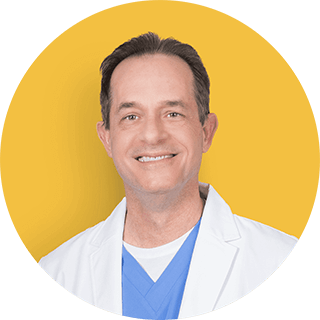
Dr. Philip LoPresti
Meet Dr. Philip LoPresti, DABVLM, FACS, a board-certified surgeon and vein specialist and surgeon with over 20 years of experience. Schedule an appointment with him in Queens, NY today.
Meet Dr. Philip LoPresti
Trusted insight from the nationally accredited, board-certified vein doctors at Metro Vein Centers.